


How to Spot Fraud
Don't be a Victim
Spam text jumped to 58% in 2022. 1 in 3 Americans has received a spam text. An estimated 1 million spam texts are sent every minute globally. (TechReport.com)
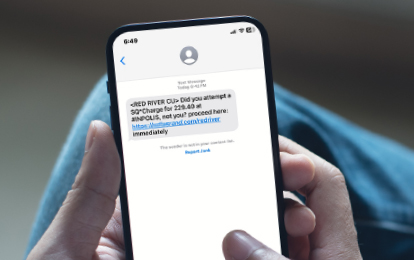
Unexpected Text
If you’ve received a strange text requiring you to use a link to stop a transaction, don’t click the link!
Consumers lost a record $10 billion to fraud in 2023, and imposter scams were the most prevalent swindle. (TechReport.com)
Fraud Doesn't Discriminate
This Information is to HELP YOU Identify Fraud and PROTECT Yourself!
Fraud Tactics are evolving rapidly, targeting individuals and businesses alike across the United States. Fraudsters can strike anywhere, regardless of your financial status or location, and they may ask for seemingly harmless information. They could be strangers, friends, or even relatives. Staying informed and alert is your best defense. By being proactive, you can outsmart fraudsters and protect your personal and financial well-being.
Fraud Alert - All Ages
What to LOOK For
- Text Messages (Smishing) Scams: When you receive an urgent text directing you to click an unknown link or number to call to stop something bad from happening.
- Emails (Phishing) Scams: Similar tactic as Smishing, with urgent or threatening language and suspicious links or even attachments. Links can be disguised in emails.
- Phone Call (Vishing) Scams: Scammers call and impersonate legitimate companies, such as the IRS or tech support, to try to get personal information, money, or gift cards to solve an urgent problem.
- Social Media Scams: Fraudsters create fake profiles or hack into existing ones to deceive users into sending money or gift cards or sharing personal information.
- E-commerce or Spoofed Website Fraud: Websites, online stores, or listings can be fake; made to look similar to a trusted website to trick you into paying for goods that don’t exist or, worse, enter your account login details.
How to AVOID Fraud
Verify Sender Information: Carefully check email addresses, phone numbers, and URLs. (RRCU’s is www.rrcu.com) Check a link before clicking by hovering over it on a desktop, or for smartphones, holding down on the link with thumb or stylus until a popup shows the true link.
Note: Fraudulent links may include the name of a company you recognize but not the standard URL. Examples:
rrcu.com/fraud IS a valid link
fraudchk.com/rrcu is NOT a valid link
- Look for Red Flags: Be wary of urgent requests, grammatical errors, and unfamiliar senders. Trust your instincts—if something feels off, it probably is.
- Cross-Check Information: If you receive a suspicious message or call, contact the sender directly using verified contact information to confirm before doing anything.
- Use Strong Passwords: Create a unique password for each account, updating them regularly. Why? If one account is hacked, the fraudster doesn’t have easy access to other accounts using that same password. Consider using a password manager for added protection.
- Enable Two-Factor Authentication (2FA): 2FA strengthens access security by using two methods to verify your identity. These factors include things, such as usernames and passwords, plus something else such as a smartphone app or text to number on file. That second-factor code is for you only and should NEVER be given to anyone!
- Monitor Your Accounts: Regularly check digital account accesses, bank statements, and credit reports for unusual activity. Set up alerts for transactions on your financial accounts. RRCU offers alerts in online/mobile banking and Visa Purchase Alerts for debit and credit cards. Both are no-charge account benefits.
- Secure Your Devices: Install reputable antivirus software and keep it updated. Avoid using public Wi-Fi for sensitive transactions.
Don't Get CAUGHT UP in Fraud
Scammers can trick individuals into laundering money through seemingly legitimate job offers, romantic relationships, or investment opportunities.
They may advertise fake jobs that require the victim to transfer funds or use their bank account for transactions, presenting it as a necessary part of their role. A romantic scammer gains the victim's trust and then asks them to move money as a favor. Investment scams promise high returns, persuading victims to move funds between accounts. These activities inadvertently make the victim an accomplice in money laundering. To avoid such scams, it is crucial to verify the legitimacy of job offers, be cautious with online relationships, and thoroughly research investment opportunities.
If you suspect you’ve encountered a scam, don’t be silent. Report it to the appropriate authorities immediately.
- Federal Trade Commission: ReportFraud.ftc.gov
- Disaster Related Fraud: justice.gov/disaster-fraud or 866-720-5721
- RRCU Account Specific Fraud: 903-735-3000