

How to Buy a Manufactured Home
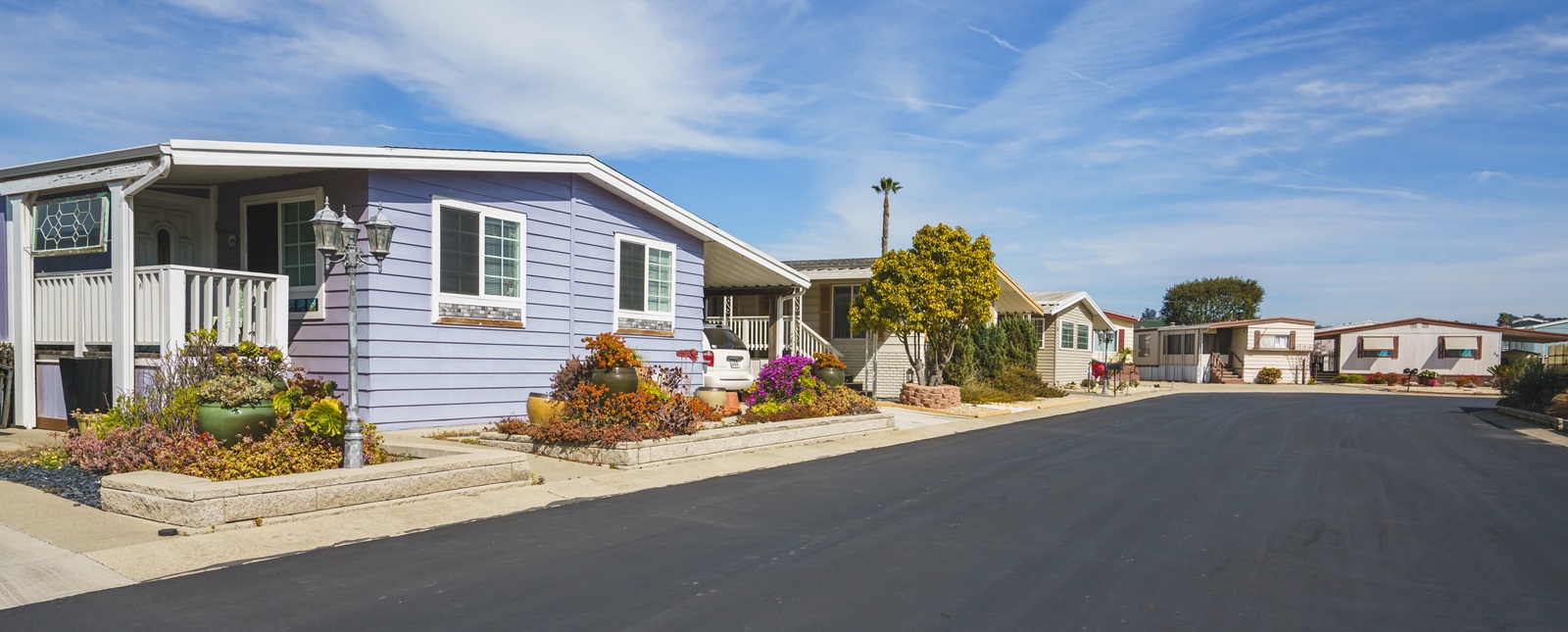
Manufactured homes offer an affordable path to homeownership for many people. But, how do you buy a manufactured home and how does it differ from buying a traditional site-built home?
WIDE WORLD: HOW TO BUY A MANUFACTURED HOME
With affordable housing in short supply, modern manufactured housing homes offer a durable, high-quality alternative to owning a conventional home, often at less than half of the cost. Let’s take a look at how to buy a manufactured home and the similarities and differences to buying a home built on the property.
SAME BUT DIFFERENT
Buying a manufactured (or mobile home) share many of the same steps as buying a conventional brick or stick-built home, including arranging financing, finding a suitable location, and securing a home with the right size and layout to meet your family’s needs.
However, there are also significant differences between buying a site-built property and a manufactured home. These include:
- Buying your home and acquiring land are separate processes
- Federal regulations that affect how your home can be financed
- Special requirements if you wish to qualify for zero-down or low downpayment loans from Fannie Mae, the FHA, USDA, or the VA
1. FINDING LAND
Perhaps the most important consideration is whether you’ll be installing your new home on land you own, or whether you will be leasing land for it to sit on.
Leased Land
If you’re planning to lease land, you should identify a suitable lot as soon as possible. Dedicated manufactured home parks can offer many advantages including:
- Purpose-built lots
- Lease-to-own agreements
- Common areas and gated security
- A sense of community
Be sure to check how much space and privacy you’ll enjoy, whether you’ll be required to pay homeowners fees, and any other restrictions. It’s best to start this process early since having a high-quality lot lined up can help you secure more favorable terms on your mortgage from certain lenders.
Owned Land
If you own or are planning to buy land for your manufactured home, you’ll need to be sure the site will safely support your home and is free of chemical or environmental hazards.
You’ll want to check local zoning regulations regarding manufactured homes. You’ll also need to establish how you will connect your home to power, water, sewer, and trash, as well as cable and internet services, plus the costs involved.
As with any land purchase, you’ll want to know about local tax regulations and schools. You should also conduct a title search to check for liens, entitlements, or rights of way that could affect your property rights or the value of the land.
2. SECURING FINANCING
Funding for manufactured homes is available from some credit unions as well as specialist lenders and mobile home manufacturers. On average, rates are usually higher than for conventional loans, although principals are lower.
Federal regulations allow mortgage-type lending to be extended only to manufactured housing that can be designated as real estate. The Department of Housing and Urban Development (HUD) defines a manufactured home as any factory-made housing built after June 15, 1976, that complies with federal safety rules.
Any housing built before this date is officially designated as a mobile home and does not conform to government safety regulations. Modern manufactured homes are truly moveable units like RVs, converted vans, and travel trailers. These are legally designated as personal possessions, and therefore don’t qualify for mortgage loans.
If you hope to make use of FHA, USDA, or VA-backed mortgage loans to buy your manufactured home, you’ll likely need to show that your home:
- Has access to water and sewer facilities
- Has all-weather access
- Will be taxed as real estate
- Is at least 400-foot square
- Will be permanently attached to the land according to local building regulations
If you’re seeking a loan to buy both a home and land you’ll need to prove to any lender that you own the land and that it’s zoned for both residential use and manufactured home construction.
You can also roll the price of your land, your home, and the cost of transporting your home to the site into a single FHA-backed construction-to-permanent loan, but you’ll need to meet additional construction standards.
Similarly, if you’re going to install your manufactured home on leased land you’ll need to show you have at least a three-year lease term. On the other hand, having a dedicated lease site in place can help you secure more favorable lease terms.
As with a traditional home loan, any lender you approach will want to see:
- A good credit score and credit history
- At least two years of employment history
- Evidence you'll continue to earn a steady income
- Information about your savings, investments, spending, and financial liabilities
With all of this lined up, lenders will be more likely able to pre-approve you for a loan so you can begin shopping for a manufactured home.
3. BUYING A MANUFACTURED HOME
Buying a manufactured home is different from buying a house because you can simply order the home you want from a catalog, plus any customizations, rather than driving around looking for a suitable property.
Manufactured homes come in single, double, and triple-wide configurations which range in size from less than 600 to more than 2,000 square feet. Single-wide homes usually average a cost of $72,000 while the median cost of a double-wide construction is about $112,000.
Manufactured homes are almost always bought new because they’re so much cheaper than site-built property. Once installed, manufactured homes can be sold as in-place construction in combination with the land they stand on.
4. CLOSING THE DEAL
Once you’ve identified a manufactured home for your site, you can close the deal on your financing. As with regular construction, you’ll need to pay closing costs and other fees as well as have an appraisal made of your site.
You’ll also need to make sure your new home is properly insured, both during transit and once it’s installed on your site.
PUT DOWN ROOTS WITH A MANUFACTURED HOME
RRCU is committed to helping its members reap the benefits of home ownership. We offer a wide range of mortgage products including loans for permanently attached double-wide manufactured homes.
Our financing options* include:
- Conventional Loans
- Department of Veterans Affairs (VA) Loans
- Fixed-rate mortgage loans
- Adjustable-rate mortgages
Contact our Mortgage Teams for details on manufactured home loans.
Click below to learn more about the benefits of our home loan products.
FIXED VS. ADJUSTABLE RATE MORTGAGES (WITH CALCULATOR)
*Loans are subject to qualification and credit approval. Financing options subject to change. Other restrictions may apply.